
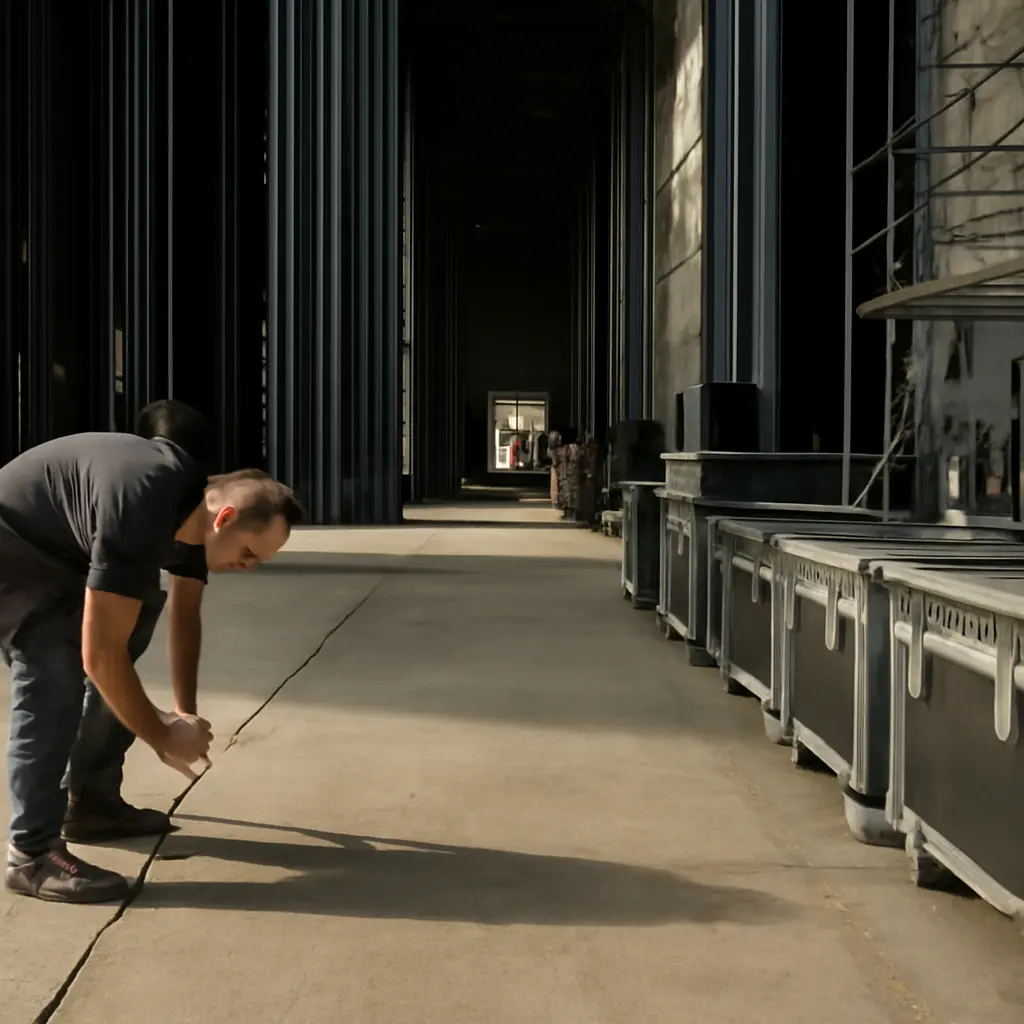
Backstage work is the coordinated technical and operational effort that makes a live performance possible without drawing attention away from the stage. For every tech team member, the essentials are safety, clear communication, dependable equipment handling, and disciplined preparation: the U.S. Bureau of Labor Statistics reports that theatrical and performance work can involve irregular hours, tight deadlines, and work around potentially hazardous equipment, while OSHA identifies falls, electrical hazards, struck-by incidents, and caught-between hazards among common workplace dangers. Knowing how to navigate a venue, follow the chain of command, handle tools and scenery, communicate during a show, and respond to emergencies helps protect people and keep performances on track.
Live Production Safety: Backstage Basics Every Tech Team Member Should Know
Live production safety means identifying hazards, following established controls, and taking responsibility for safe work throughout setup, rehearsal, performance, and strike. OSHA’s general workplace-safety guidance emphasizes that employers and workers share roles in recognizing hazards and preventing injuries; in a theater, that principle applies to power tools, overhead equipment, moving scenery, cables, ladders, and crowded wings. Safety is not a separate task completed before the show—it shapes every backstage decision.
Know the Venue, Exits, and Emergency Procedures
A venue orientation is a guided review of the work area, emergency exits, first-aid resources, fire equipment, restricted zones, and the person responsible for safety. Before work begins, locate more than one exit, identify the assembly point, and learn how the venue communicates an evacuation or medical emergency. Keep aisles and fire exits clear; never block access with road cases, props, cable, or scenery. If an incident occurs, alert the designated supervisor or stage manager and follow the venue’s emergency plan rather than improvising beyond your training.
Use Tools, Ladders, and Electrical Equipment Correctly
Safe equipment use means inspecting tools before use, using them only for their intended purpose, and stopping work when a tool, cable, ladder, or power source appears damaged. OSHA’s electrical-safety guidance warns that contact with energized parts can cause serious injury; only qualified personnel should perform electrical work, and equipment should be de-energized when required by the task and procedure. Use the correct ladder, secure it as instructed, and do not climb scenery, chairs, or road cases as substitutes. Wear the personal protective equipment specified for the job, such as eye protection, gloves, or hearing protection.
Move Scenery and Loads as a Team
A safe move is a coordinated lift or push in which the team agrees on the route, load, commands, and stopping point before movement begins. Check that the path is clear, confirm who is calling the move, and use the agreed cue—such as “ready,” “moving,” and “stop”—so everyone acts together. Do not stand beneath suspended equipment or enter a moving scenery path without authorization. For heavy or awkward loads, use a suitable cart or ask for additional trained help rather than relying on a rushed solo lift.
Backstage Communication: Cues, Roles, and Coordination
Backstage communication is the timely, concise exchange of information that allows departments to coordinate work and execute a performance safely. The stage manager commonly coordinates the running of a production, while department heads and crew members carry out their assigned responsibilities; the exact structure varies by company and venue. Clear communication matters because a cue may involve several people, equipment systems, and moving objects at once. A good message identifies the action, the relevant person or department, and any safety issue without adding unnecessary chatter.
Learn the Chain of Command and Your Assignment
The chain of command is the agreed route for instructions, questions, and escalation. At a call, learn who supervises your department, who gives performance cues, and who should be contacted if a task seems unsafe or unclear. Follow the person authorized to call a move or cue, and do not independently change another department’s setup. If you are unsure, pause and ask the appropriate supervisor; guessing can create conflicting actions, especially during a fast transition.
Use Cue Language and Radio Etiquette
Cue language is the standardized vocabulary used to prepare for, call, and confirm an action. On headset or radio, keep messages brief, identify yourself or your station when required, and acknowledge instructions using the production’s agreed wording. Avoid unnecessary conversation during cue sequences, never speak over an emergency message, and do not assume a cue has been heard unless the procedure requires confirmation. In a performance, the stage manager’s cueing system helps departments act in the correct order and at the intended moment.
Maintain Situational Awareness in the Wings
Situational awareness means noticing what is happening around you, understanding how it may affect the work, and anticipating what could happen next. Keep entrances, crossover paths, and backstage traffic lanes clear; know when performers are entering or exiting; and remain alert to moving scenery, low light, cables, and changes in the run of the show. If a cue, prop, or piece of equipment is missing or out of position, report it promptly through the agreed channel rather than making an uncoordinated correction.
Production Preparation: Call Times, Checklists, and Equipment
Production preparation is the practical work done before doors or a cue sequence to ensure that people, equipment, and spaces are ready. A useful routine combines punctuality, a personal readiness check, department inspections, and clear handoffs. The National Fire Protection Association’s widely used Life Safety Code establishes requirements related to egress and life safety in assembly occupancies, underscoring why clear routes and venue procedures matter in performance spaces. Preparation also reduces avoidable confusion when a production is working to a fixed schedule.
Arrive Ready and Follow the Call Schedule
A call time is the scheduled time a crew member must report and be ready for assigned work, not simply the time to arrive at the building. Confirm the call, location, dress requirements, and any required training in advance. Bring only approved personal items into work areas, wear practical clothing and closed-toe footwear when required, and tell a supervisor promptly if you will be late or cannot attend. Being ready on time gives the team room to complete checks before the performance or work call begins.
Use Checklists and Report Defects
A checklist is a repeatable list of inspections or tasks that helps a team avoid relying on memory alone. Depending on the role, it may include checking communication equipment, props, preset positions, cable paths, work lights, or scenery locks. The U.S. Centers for Disease Control and Prevention describes checklists as tools used in safety-focused settings to support reliable processes; backstage, a concise checklist can similarly help confirm that critical items have been checked. Record or report defects through the venue’s process, label unsafe equipment as instructed, and do not return it to service without authorization.
Keep Work Areas and Cables Orderly
Good backstage housekeeping keeps tools, cases, cables, and materials in their assigned places so people can move safely and work efficiently. Route cables away from walkways where possible; where a crossing is necessary, use an approved cable protector or other venue-approved method. Keep liquids away from electrical equipment, return shared tools after use, and leave access to exits, fire equipment, and electrical panels unobstructed. A tidy space is not merely a visual preference: it reduces trip hazards and makes it easier to notice equipment that has shifted or failed.
Performance Operations: Presets, Show Calls, and Strike
Performance operations cover the repeatable backstage tasks that prepare, run, and reset a show. These include setting props and scenery, checking communications, executing cues, maintaining safe traffic patterns, and restoring the venue after the performance. Consistency is especially valuable in live work: a reliable preset and a controlled strike make it easier to identify missing items, report damage, and prepare for the next call.
Preset Props and Equipment Consistently
A preset is the planned position of props, scenery, or equipment before a performance or scene. Use the production’s preset list or marked locations, handle items only as assigned, and report anything missing, damaged, or out of position. Consistent placement supports performer confidence and reduces last-minute searching in low light. If a change is approved, update the relevant list or communicate the new position so the next crew member does not rely on outdated information.
Execute Cues Without Rushing
A performance cue is an instruction to carry out a specific action at a designated moment. Be in position before the cue, verify that the path and equipment are ready, and act only when the authorized call is given. If a cue cannot be completed safely, communicate the issue immediately using the production’s protocol. A late or missed cue should be reported factually; hiding a problem can create a larger hazard for the next sequence.
Strike and Reset with a Plan
Strike is the organized removal, storage, or reset of production equipment after a performance or event. Wait for authorization, follow the designated order, and use the same team communication and safe-lifting practices used during setup. Separate damaged items for inspection, return tools and equipment to their assigned storage, and leave the work area ready for the next user. Avoid rushing simply because the audience has left: the final tasks can involve heavy loads, fatigue, and reduced attention.
Conclusion: Make Backstage Basics a Daily Practice
The most important backstage basics are connected: live production safety protects people; communication clarifies roles and cues; preparation catches problems before they affect a show; and disciplined performance operations keep presets, transitions, and strike orderly. New and experienced crew members alike should learn the venue’s emergency procedures, follow the chain of command, use equipment only as trained, and report hazards promptly. Before your next call, review the production’s safety briefing and checklist, ask questions when instructions are unclear, and help make safe, clear backstage work part of the team’s routine.
Sources: U.S. Bureau of Labor Statistics, Occupational Outlook Handbook: Actors, Producers, and Directors, https://www.bls.gov/ooh/entertainment-and-sports/actors-producers-and-directors.htm; Occupational Safety and Health Administration, Recommended Practices for Safety and Health Programs, https://www.osha.gov/safety-management; Occupational Safety and Health Administration, Electrical Safety, https://www.osha.gov/electrical; National Fire Protection Association, NFPA 101: Life Safety Code, https://www.nfpa.org/codes-and-standards/nfpa-101-standard-development/101; Centers for Disease Control and Prevention, Checklist for Infection Control in the Operating Room, https://www.cdc.gov/infection-control/hcp/environmental-control/operating-room.html